Beauty
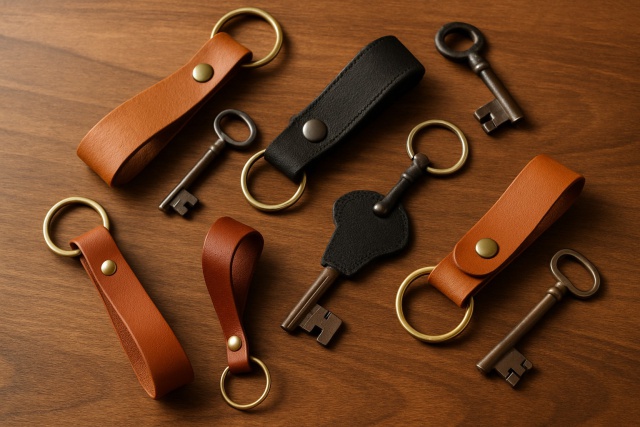
What Makes Quality Keychain Holder Leather Worth the Price
Explore the key features that elevate quality keychain holder leather above the rest, helping you ma...

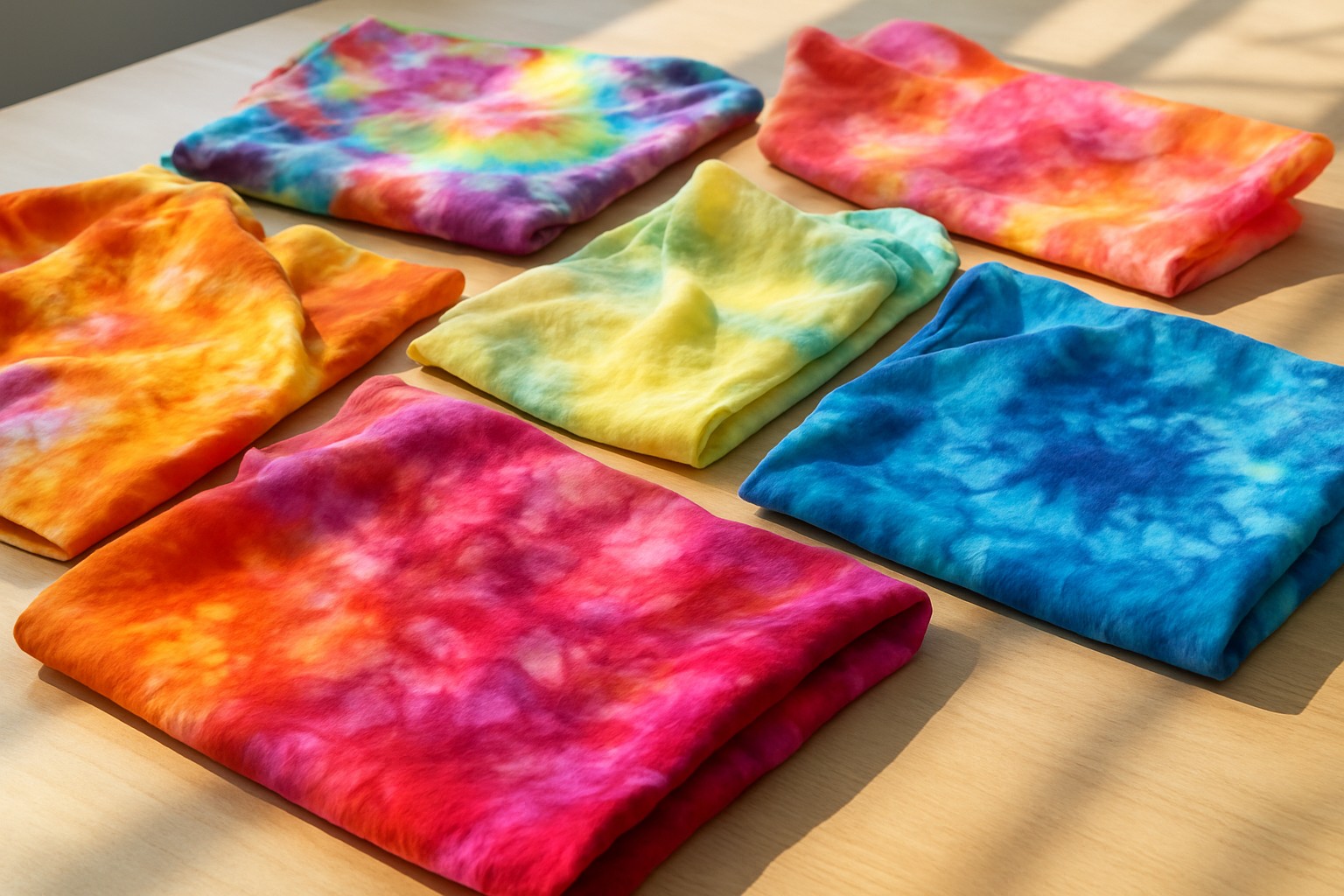
Tie dye has long been a bold and colorful fashion technique that sparks creativity and grabs the spotlight from trendsetters everywhere. From the iconic styles of the swinging 60s to today’s streetwear scene, tie dye gives you the freedom to make your clothes truly one of a kind. Nailing vibrant lasting colors involves more than picking the right dye. Choosing the best material for tie dye plays a big role. The fabric you choose can affect how bright those colors pop, how well the dye sticks, and how tough your finished piece is.
Tie dyeing is a fun art where you fold, twist or tie fabric before applying dye and voilà—you get those unmistakable groovy patterns.
Common fabrics used for tie dye include cotton, rayon, silk and blends, each bringing unique flair to the final look. Cotton is a favorite because it is breathable and soaks up dye like a charm, often creating bright, eye-catching designs. Rayon and viscose feel soft and luxurious to the touch and hold color beautifully. Since they are semi-synthetic, they need extra TLC. Silk delivers rich, glossy colors that really pop but is a diva when it comes to care. Polyester and other synthetic blends usually do not play nice with dye and can leave colors looking flat or patchy.
Choosing the right material for tie dye means paying close attention to the fiber type and how well it soaks up the dye. You should also consider how the fabric stands the test of time. We’ll dive into some popular fabrics and their perks and pitfalls.
| Material | Fiber Type | Color Absorption Quality | Durability of Dye | Ease of Dyeing | Cost | Common Uses |
|---|---|---|---|---|---|---|
| 100% Cotton | Natural | Outstanding | Very Durable | Simple | Budget-friendly | T-shirts, casual outfits, crafts — the go-to for everyday comfort |
| Rayon | Semi-synthetic | Quite Good | Fairly Durable | Reasonably Easy | Moderate | Dresses, scarves, blouses — perfect if you want a splash of elegance without fuss |
| Silk | Natural Protein | Outstanding | Fairly Durable | More Complex | Higher Cost | Luxury clothing, accessories — because sometimes, you just want to feel fancy |
| Polyester | Synthetic | Limited | Less Durable | More Difficult | Inexpensive | Sportswear, fabric blends — great for tough times, but not a dye lover’s dream |
| Cotton-Polyester Blends | Blend | Moderate | Fairly Durable | Fairly Easy | Budget-friendly | Everyday clothing, mixed fabrics — striking a balance between comfort and practicality |
Cotton has long been the go-to fabric for tie dye because its natural cellulose fibers soak up dye like a sponge. Its soft and breathable feel lets colors dive right in, resulting in vibrant, eye-catching patterns that will not quit. Varieties like combed cotton offer a smoother surface for more consistent dye jobs. Organic cotton is popular with anyone leaning toward eco-friendly fabrics.
Rayon and viscose are semi-synthetic fabrics crafted from natural cellulose. They’re famous for their smooth, silky touch that feels like a gentle caress on the skin and have a knack for holding onto vibrant colors with surprising flair.
Silk has a well-deserved reputation for delivering some of the richest and brightest tie dye colors because its protein-based fibers really know how to cozy up to acid dyes. The fabric’s natural shine makes each piece stand out with a luxurious, one-of-a-kind glow. Silk can be a challenging partner as it requires gentle dyeing techniques and careful handling afterward to preserve its delicate structure and maintain its charm.
Polyester and synthetic blends usually aren’t the go-to choice for tie dye projects since they don’t soak up dye like natural fibers do and often give standard dyes the cold shoulder. The colors can end up looking a bit blah or spotty, which is never what you want after all that effort. These fabrics generally call for special dyes and a bit of heat magic to really lock in the color.
Choosing fabric for tie dye is about more than just picking the right fiber. You have to consider practical factors like fabric weight and surface texture. Also think about how much prep is involved, cost, and environmental impact.
Preparing fabric with care makes a difference by helping the dye soak in deeper and keeping colors vibrant and long-lasting. Little steps like pre-washing to remove finishes, soaking in mordants, and drying gently all add up.
Choosing the right fabric boils down to what you need it for and your experience. Whether you are a casual hobbyist, a professional designer, passionate about eco-friendly choices, or buying in bulk for big events, knowing your priorities will make picking the best material easier.

Driven by a passion for historical mysteries, Sterling investigates forgotten stories and overlooked figures, bringing the past to life with meticulous research and vivid prose.
Read ArticlesExplore the key features that elevate quality keychain holder leather above the rest, helping you ma...
Discover expert tips on using essential oils to naturally and safely repel spiders indoors. Learn wh...
Wondering how long dry vermouth lasts without refrigeration? Learn the science behind its shelf life...

Avoid costly damage by learning how to attach house numbers to brick walls without cracking. This gu...