
Climate
Does Soapy Water Kill Mosquitoes Better Than Other Sprays?
Mosquitoes spread serious diseases and finding safe control methods is crucial. Learn if soapy water...

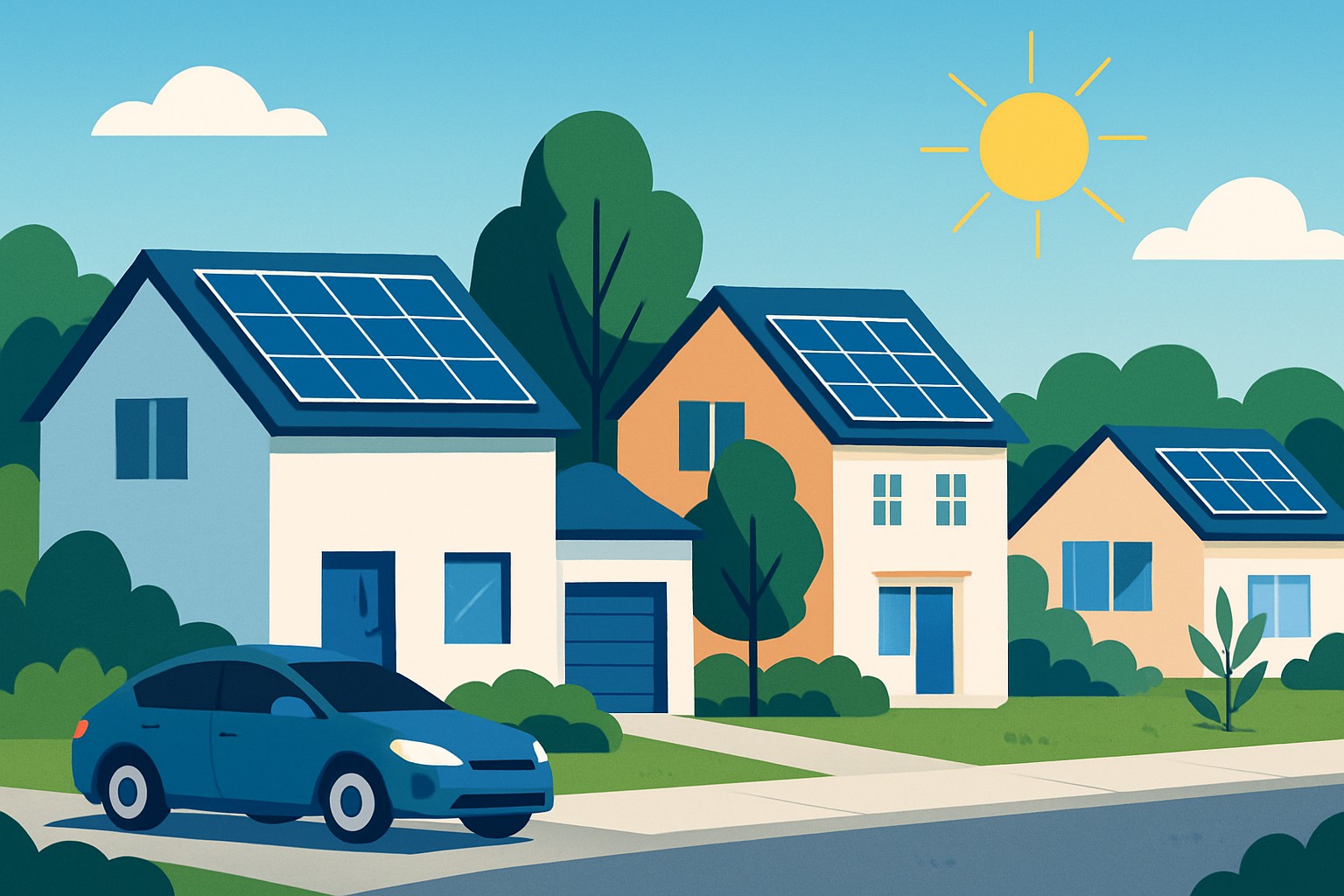
Solar power isn’t just some alternative energy option tucked away in the background anymore. It’s genuinely turning into a powerhouse that’s quietly transforming many parts of our everyday lives, showing us how solar power is changing the way we live. By harnessing the sun’s seemingly endless supply of energy, solar technology is not only helping us shrink our environmental footprint but also opening new doors for economic growth and boosting energy independence worldwide. Whether it’s lighting up homes, keeping industries humming or bringing electricity to far-flung corners of the world, solar power is redefining how we think about energy and sustainability and our bond with the planet.
Solar power basically turns sunlight into electricity through photovoltaic (PV) cells found in solar panels. These clever little cells soak up sunlight and then flip it into electrical energy you can actually put to use. If you picture solar panels as giant leaves basking in the sun, doing a high-tech version of what plants do—turning sunlight into food—you’re pretty close.
Solar power technology has come a long way since it first appeared more than a century ago. Beginning with the humble photovoltaic cell invented in the 1950s, advancements have steadily increased efficiency and reduced costs while expanding practical uses.
Each of these advances has made solar power practical and appealing. With higher panel efficiency we’re squeezing more energy out of smaller spaces. Meanwhile, falling costs have made solar a serious contender against traditional energy sources. On top of that, pairing solar with batteries and smart tech makes the power flow more reliable—like having a backup plan that actually works.
More and more homeowners these days are jumping on the solar panel bandwagon to generate their own electricity. It’s a smart move that not only helps them keep a bit more cash in their pockets but also reduces their reliance on the electric company’s ups and downs. Plus, those pleasantly lower energy bills are a great bonus.
Solar panels bring great benefits though many households hit a few bumps along the way. These include steep upfront installation costs, limited roof space or concerns about maintenance.
More commercial enterprises are adopting solar power to cut costs and showcase their dedication to sustainability. They also aim to boost their corporate social responsibility efforts.
Industries like agriculture often see real wins from solar-powered irrigation systems. Manufacturing plants usually chip away at costs by tapping into onsite solar, which can feel like a breath of fresh air for budgets. Retail chains are working hard to shrink their carbon footprint across multiple locations, making sustainability a bit more than just a buzzword. Meanwhile, tech companies strive to keep their data centers humming along in a way that’s kinder to the planet.
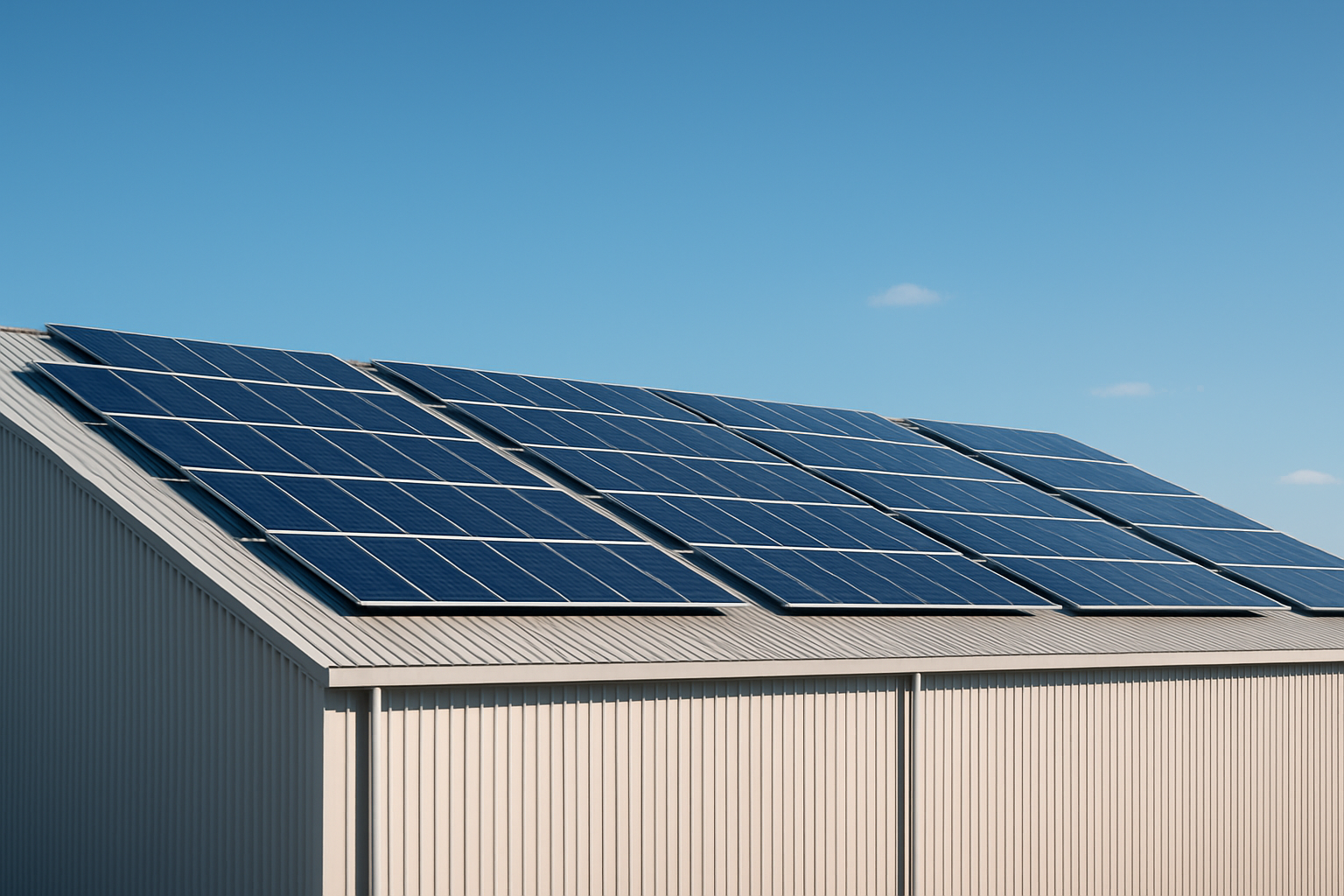
A large commercial building equipped with rooftop solar panels generating clean electricity.
Solar power has steadily emerged as a shining star in the quest for cleaner energy solutions. It’s not just about catching rays—it's about harnessing a natural resource that’s both abundant and endlessly renewable. In my experience, tapping into solar energy feels like a win-win: it slashes carbon footprints while gently nudging us away from the old, dirtier ways of doing things. Of course, solar power isn’t a magic wand that solves everything overnight, but its growing role in our energy mix is hard to overlook. Whether on rooftops or sprawling solar farms, it offers a hopeful path forward, making the future a little brighter—quite literally.
Solar power does a fantastic job of slashing the carbon footprint tied to generating electricity by stepping in for those old fossil fuels that tend to unleash all kinds of greenhouse gases. On top of that, it helps cut down harmful air and water pollution.
| Energy Source | CO2 Emissions (kg/kWh) | Air Pollution | Water Use (L/kWh) |
|---|---|---|---|
| Coal | 820 | High | 1.9 |
| Natural Gas | 490 | Moderate | 0.3 |
| Oil | 720 | High | 0.2 |
| Solar Power | 48 | None | 0.1 |
Here’s a quick snapshot: coal clearly wears the pollution crown, pumping out hefty CO2 and guzzling quite a bit of water. Natural gas tries to strike a balance but still leaves a noticeable footprint. Oil isn’t far behind coal, throwing a fair bit of pollutants into the air, while solar power just quietly does its thing with barely a whisper of emissions and water use. It’s like comparing a roaring engine to a gentle breeze.
Solar panels require materials for their creation and recycling but over their entire lifespan their total emissions are far lower than fossil fuels. Thanks to ongoing improvements in recycling techniques and a growing focus on sustainable materials we are reducing waste like never before
In spots where the lights don’t always stay on, solar power shines as source of hope—literally. It brings fresh possibilities for lighting homes, pumping water, supporting education, and boosting healthcare access.
"Solar energy has truly turned things around for remote villages. Kids now get to hit the books well past sunset, and clinics can finally keep vaccines cool and safe without breaking a sweat. It’s amazing how such a simple technology ends up lighting the way for so many lasting improvements." — Dr. Amira Olumide, Renewable Energy Specialist
The expanding solar industry is really picking up steam and creating jobs in manufacturing, installation and system maintenance. On top of that it’s shaking up energy markets by delivering competitive prices and sparking innovation
Government incentives like tax credits and subsidies definitely give solar adoption a nice kickstart, but making the full switch to solar is not always a walk in the park—it often means tackling upgrades to infrastructure and juggling existing energy systems.
Emerging solar technologies look set to shake up how we capture energy. Innovations like see-through solar windows, high-capacity battery storage and AI-driven smart grid integration are blazing the trail. New materials and designs aren’t just chasing shiny new ideas—they aim to boost efficiency and make scaling up more practical across many settings. This is no small feat.
These innovations, particularly in how solar power is changing the way we live, steadily become the norm by reducing our reliance on fossil fuels and opening the door to wider energy access. They also give a real boost to sustainability efforts worldwide.

Dashiell explores how cities shape human experience, combining architectural insights with sociological observations in thought-provoking pieces.
Read ArticlesMosquitoes spread serious diseases and finding safe control methods is crucial. Learn if soapy water...

Wondering whether gold or silver is more abundant on Earth? This article breaks down their natural o...

Explore Reykjavik like a local with this complete guide to free and affordable activities. From icon...

Wondering if Belize City is worth visiting? Explore its rich history, vibrant culture, stunning natu...