VA Herper

What Causes a Cat's Eye to Look Cloudy and How to Help

8 minutes
What Causes a Cat

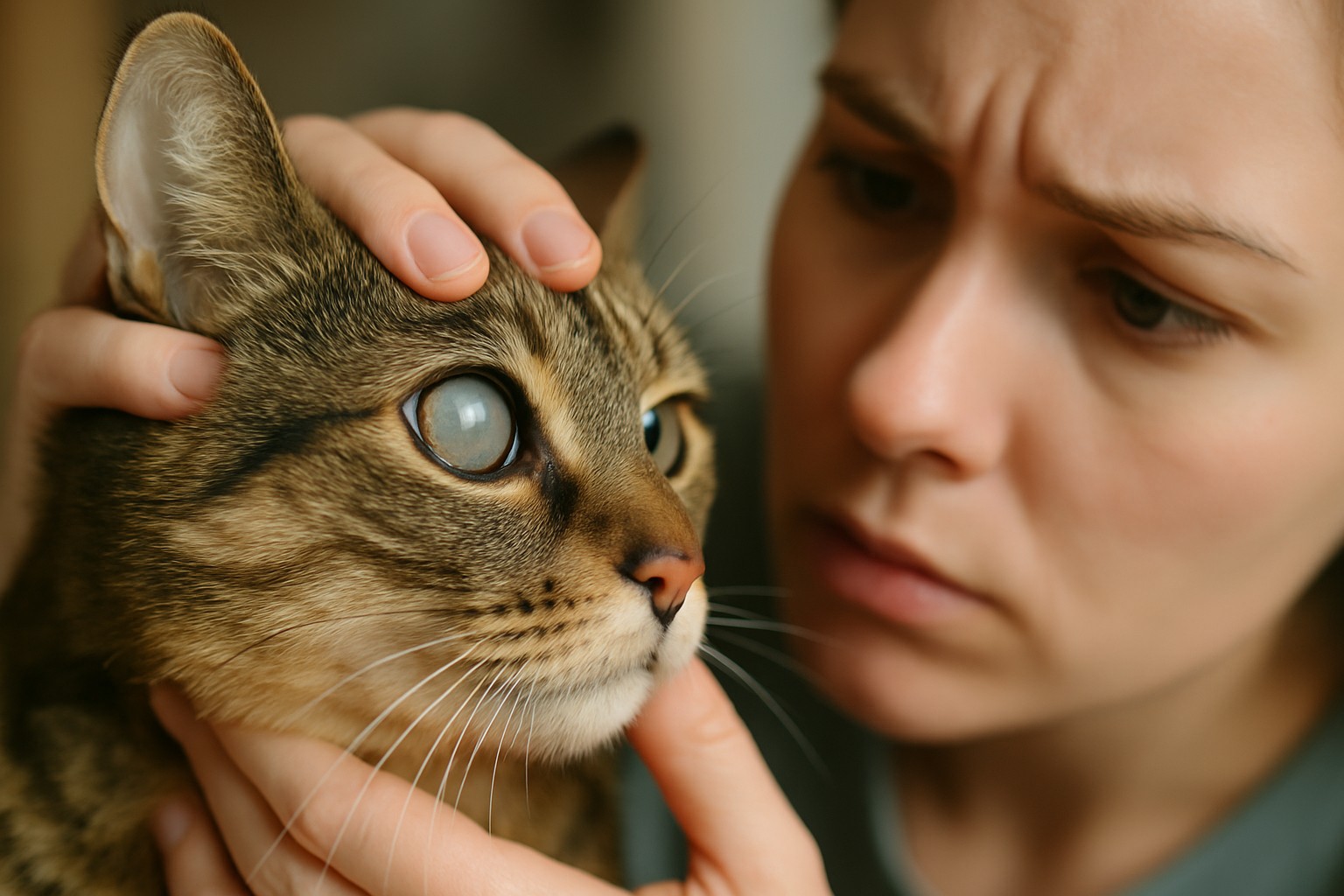
When your cat's eye looks cloudy, it’s enough to make any pet owner’s heart skip a beat. That sudden haze can be a sign of all sorts of problems, ranging from mild irritations to more serious eye conditions that you don’t want to ignore.

Catching cloudiness in your cat’s eye early on—and getting it checked out promptly—can truly make all the difference when it comes to preventing vision loss or discomfort that just won’t quit.

Common Signs and Symptoms When a Cat's Eye Looks Cloudy

When a cat's eye looks cloudy it is a good idea to watch for other signs. Cloudiness usually shows up with redness or more tearing than usual, swelling, squinting, or subtle behavior changes like your feline friend ducking away from bright light.

  • A cloudy or milky layer on the eye that stands out from the usual clear shiny look you’d expect
  • Redness or swelling around the eye is a classic sign of irritation or inflammation
  • Frequent blinking or squinting signals discomfort or pain; your cat definitely isn’t thrilled
  • Discharge like pus or watery tears can be a dead giveaway for infection
  • Pawing or rubbing at the eye is a telling sign your furry friend feels irritated
  • Sensitivity to light causes your cat to avoid bright spots or keep those eyes closed more often than usual

Main Reasons a Cat's Eye Might Appear Cloudy (and What You Can Do About It)

Cloudiness in a cat’s eye can pop up for a bunch of medical and environmental reasons. Some of these causes are pretty harmless and just show up as your furry friend gets older, while others might be a red flag that needs a vet’s quick attention.

  • Corneal ulcers or scratches: These are injuries to the eye’s surface that cause discomfort and make the cornea look cloudy.
  • Cataracts: Over time the lens can become cloudy and block vision. This usually happens with age.
  • Glaucoma: When the pressure inside the eye gets too high it can damage the optic nerves, causing cloudiness and discomfort.
  • Uveitis: This inflammation inside the eye causes swelling and can affect vision.
  • Nuclear sclerosis: A common issue in older cats where the lens gets a bluish-gray haze like a subtle fog.
  • Infections: Whether bacterial, viral (like feline herpesvirus) or fungal these can cause eye discharge and cloudiness.
  • Trauma or injury: Scratches or foreign objects can make the eye look cloudy.
  • Dry eye syndrome: When tear production drops the cornea gets irritated and cloudy making the eye feel unhappy.
  • Congenital defects: Some cats are born with eye issues that cause cloudiness early on.

A Clear, No-Nonsense Step-by-Step Guide to Troubleshooting a Cloudy Cat’s Eye

Figuring out what’s behind a cloudy eye requires a careful step-by-step approach. It’s all about tuning in to the symptoms, digging into the medical history and knowing just when to bring in a pro’s expertise.

  1. Take a close look at your cat’s eye to figure out the type and extent of any cloudiness. Watch the color and texture and check for any discharge.
  2. See if there are any fresh injuries or signs your furry friend might have scratched or hurt the eye. Sometimes they can be surprisingly sneaky about it.
  3. Watch out for signs of infection such as swelling, redness, gooey discharge or an unusual smell that doesn’t seem right.
  4. Notice if your cat is acting a little off like being very sensitive to light or pawing at the eye. They may seem reluctant to open it fully. These changes can be subtle but important.
  5. Your cat’s age matters because older cats tend to develop eye issues like cataracts or nuclear sclerosis.
  6. If symptoms last more than a day or get worse, it’s time to make a vet appointment. Getting on top of it early can save you from bigger problems later.

Make it a point to jot down your observations — when the symptoms first appeared, how they changed over time and any home remedies you have tried.

Diagnostic Tests and Veterinary Examinations The Nuts and Bolts of Pet Health

Veterinarians rely on a range of diagnostic tools to get that pesky cloudiness. They often start by measuring eye pressure then apply special stains to the eye’s surface to catch hidden injuries. Next, they shine specialized lamps to get a close-up look under magnification. Because it’s rarely just about the eye itself, they run blood tests to sniff out underlying systemic problems.

Diagnostic TestPurposeWhat It RevealsTypical Procedure
TonometryMeasures the pressure inside the eyeUseful for spotting glaucoma or unusually high eye pressureInvolves a handheld or desktop device gently checking the pressure
Fluorescein stainingIdentifies corneal ulcers or scratchesHighlights any pesky damage to the corneal surfaceA special dye is applied to the eye and then observed under blue light
Slit-lamp ExaminationProvides a close-up look at the front structures of the eyeDetects inflammation, cataracts, or those unwelcome foreign objectsUses a magnified light source combined with a microscope
OphthalmoscopyInspects the back of the eye, including retina and optic nerveScreens for retinal problems or optic nerve damageEmploys a specialized ophthalmoscope to take a good look
Schirmer Tear TestMeasures how much tears the eye producesHelps diagnose dry eye syndrome, which can be quite bothersomeA small test strip is placed on the eye to measure tear production
Blood TestsEvaluates for infections or systemic conditionsIdentifies diseases that might be affecting the eyeA blood sample is drawn and analyzed in a lab

Treatment Options for Common Causes A Practical Guide

Treatment really hinges on what is behind the cloudiness. It could mean anything from topical medications and systemic drugs to surgery or just supportive care. Having a good grasp of the different treatment options helps owners set realistic expectations.

  • Applying antibiotic or antifungal eye drops and ointments to tackle infections head-on and keep those pesky bugs at bay.
  • Administering anti-inflammatory medications to calm the storm of uveitis and take the edge off your cat's discomfort.
  • Using specially formulated eye drops or gels designed to bring soothing moisture back to dry eyes, because no one likes feeling parched.
  • Performing surgical procedures like cataract removal or managing glaucoma when things get a bit more serious, stepping in when it really counts.
  • Managing pain with carefully prescribed medications to help your feline friend stay comfortable and cozy during the healing process.
  • Providing home care such as gentle eye cleaning and encouraging your cat to take it easy, helping prevent any accidental bumps or scratches that could slow recovery.

It’s really important to stick closely to your veterinarian’s instructions and see the entire prescribed treatment through to the end—cutting corners can invite trouble or cause the issue to come right back.

Tips for Home Care and Keeping Those Cat Eyes Sparkling and Healthy

Keeping an eye on your cat's peepers every day can help nip cloudiness and other pesky problems in the bud. Simple routines and a calm cozy environment plus good nutrition all team up to keep those eyes sharp and sparkling as time goes by.

  • Keep a close watch on your cat's eyes for any subtle changes like cloudiness or discharge. These signs often reveal more than you might expect.
  • Gently clean away any debris or discharge by following the methods your vet recommends. Think of it as a delicate spa day for your furry friend's peepers.
  • Help prevent injuries by making sure your cat’s environment is safe and secure and minimize contact with aggressive animals.
  • Try to keep your cat away from irritants like smoke, dust or strong chemicals because these culprits can really mess with their eyes.
  • Offer a balanced diet packed with antioxidants and nutrients that support healthy eyes. A well-fed cat is a happy cat with bright eyes.
  • Schedule regular vet visits to monitor your cat’s eye health and catch any problems early before they turn into bigger headaches.

When It is Time to Rush to Emergency Veterinary Care

Some symptoms, like when your cat's eye looks cloudy, scream for urgent medical attention to dodge lasting damage or unbearable pain.

  • A sudden cloudy or milky appearance in the eye that wasn’t there before
  • Noticeable bulging or the eyeball sticking out more than usual like it’s trying to make a statement
  • Any bleeding from or around the eye which is never a good sign
  • Your cat struggling to open the eye or refusing to keep it open clearly bothered by it
  • Intense redness paired with swelling that makes you wince a little
  • A recent injury or trauma with obvious damage around the eye or nearby areas that deserves a closer look
Beatrice Cromwell

Beatrice Cromwell

26 posts written

Beatrice bridges the gap between human behavior and sustainability through compelling narratives that inspire action.

Read Articles

Related Articles