
Everyday Life
Are Polyester Socks Good For Comfort and Durability?
Polyester socks offer durability and moisture management but come with comfort trade-offs. Discover...

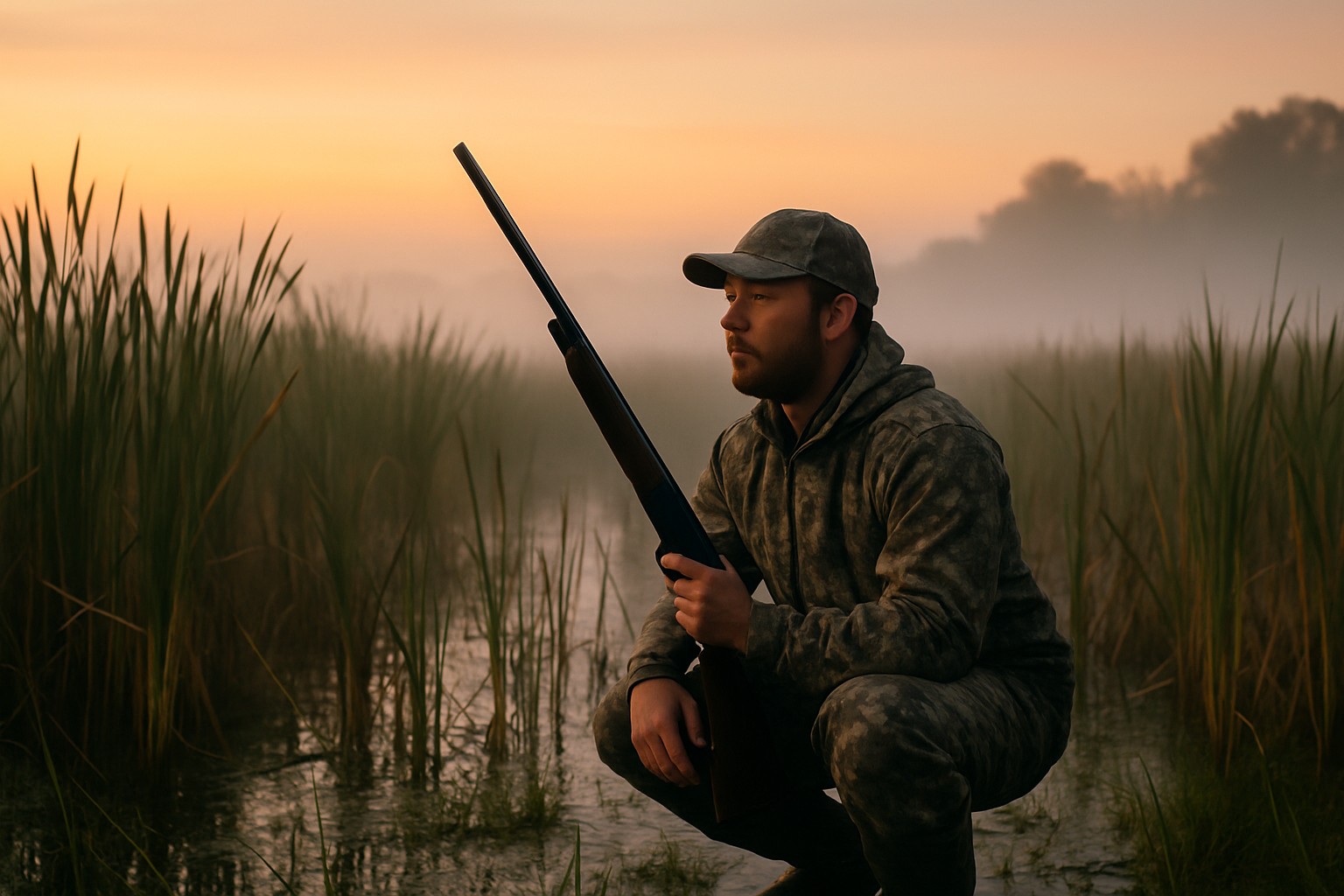
Snipe hunting in Texas is a fascinating blend of old-school outdoor adventure and colorful cultural folklore. It has become a rite of passage for many hunters across the state. While the practice has practical roots, it has also sparked many tall tales and good-natured jokes. This makes it an intriguing subject whether you’re a die-hard enthusiast or just trying the sport. This detailed guide will take you through the history of snipe hunting in Texas, the species and habitats involved, the best techniques and gear, and the important legal and ethical considerations you can’t afford to overlook.
Snipe hunting typically involves tracking down those elusive little shorebirds called snipes, mostly during their migration seasons when they’re on the move. It’s been a staple of American and Texan outdoor traditions for ages, originally just a practical way to put food on the table. As time went on, it blossomed into something more—a cultural ritual and social event that blends genuine hunting with the quirky folklore that’s so uniquely Texan.
Hunters in Texas usually set their sights on the Wilson's snipe, a small stocky bird that is easy to spot because of its long straight bill and brown and white feathers that help it blend into the background. You will find these birds mostly in wet spots like marshes, swamps and soggy meadows across the state. Their mottled plumage and erratic flight patterns make them a real challenge to bag. It is kind of like trying to catch a greased pig at a county fair. If you know when they migrate, typically from late fall through early spring, you’re in a much better spot to plan your hunt.
| Species | Physical Characteristics | Habitat Locations | Peak Hunting Seasons |
|---|---|---|---|
| Wilson's Snipe | A small but sturdy bird sporting brown and white stripes, topped off with a long, straight bill that’s perfect for probing | You’ll find these guys hanging out in Gulf Coast wetlands, East Texas marshes, and around Central Texas lakes, where they seem to enjoy the quieter spots | Most lively and on the move from November right through January |
| Common Snipe | A bit smaller than Wilson's, decked out in mottled brown feathers that help it blend in like a pro | Calls the Panhandle prairies and marshy lowlands home, where it doesn’t mind getting its feet wet | Generally active from December into February |
| Jack Snipe | The smallest and most elusive of the bunch, with barred sides that add a touch of flair | Favors the moist woodlands and marsh edges of East Texas—perfect spots if you can sneak up on them | Usually pops up from late November through early January |
Texas boasts a diverse mix of ecosystems and its ever-shifting climate really calls the shots when it comes to snipe populations. Seasonal rains play a big role by swelling wetlands that are key for feeding and nesting. When drought drags on, habitats tighten up but a good wet season can work wonders by opening up more hunting grounds. On top of all that urban sprawl and farming practices can throw a wrench in how accessible and healthy these wetlands remain and directly influence how many snipe you will spot around.
Snipe hunting in Texas requires gear geared towards stealth and swift movement through soggy, muddy environments. The essentials usually include lightweight shotguns—20 or 28 gauge are the go-to choices—bird calls that mimic the snipe’s unique sounds, decoys to lure them in, and camouflage clothing that adapts to the Texas seasons.
Hunting snipe across Texas landscapes like wetlands, marshes or woodlands often calls for patience and careful movement. The best time to hunt is during low-light hours when these quirky little birds come alive. Moving slowly and quietly is key. Using calls sparingly to mimic snipe sounds can work wonders in coaxing them into flight without spooking them.
Texas has clear laws to keep snipe hunting safe and sustainable. Hunters must carry valid licenses and follow designated seasons and bag limits—no sneaking extras. Hunting in protected areas is prohibited. Some tactics like spotlighting or unauthorized electronic calls are off-limits.
Ethical hunting is about finding the balance between respecting wildlife and the environment while taking on the responsibilities of being a hunter. Protecting snipe populations usually means setting sensible limits on what can be taken, avoiding damage to their habitats and teaching new hunters sustainable practices.
"Following Texas regulations is not just about ticking legal boxes; it’s about respecting wildlife and playing our part so future generations can still enjoy the thrill and time-honored tradition of snipe hunting," says Ranger Mike Gallagher, a Texas Parks and Wildlife wildlife officer.
If you’re setting out on a snipe hunting adventure in Texas, timing and location are everything. These elusive little birds tend to favor marshy wetlands and wooded edges, so keep your eyes peeled in places where water meets land. Early mornings or late afternoons usually offer the best shot, when the light is just right and these critters are out and about doing their thing. From my experience, patience is your best friend here—don’t rush, and you might just get lucky in the Lone Star State’s hidden nooks.
Texas boasts plenty of fantastic snipe hunting spots scattered across a variety of terrains. Picking the right one usually comes down to the kind of habitat you’re drawn to and how easy it is to reach. Of course, local hunting regulations also matter. The locations listed here are known for their healthy bird populations, picturesque settings, and straightforward access.
Snipe hunting usually hits its stride early in the season right when the birds show up during migration before the chill in the air sends them scurrying farther south. The stretch from late fall to early winter tends to offer the sweetest spot for success. Hunting during or just after a light rain can give you a nice edge since snipes seem more active when the ground is wet and squishy.
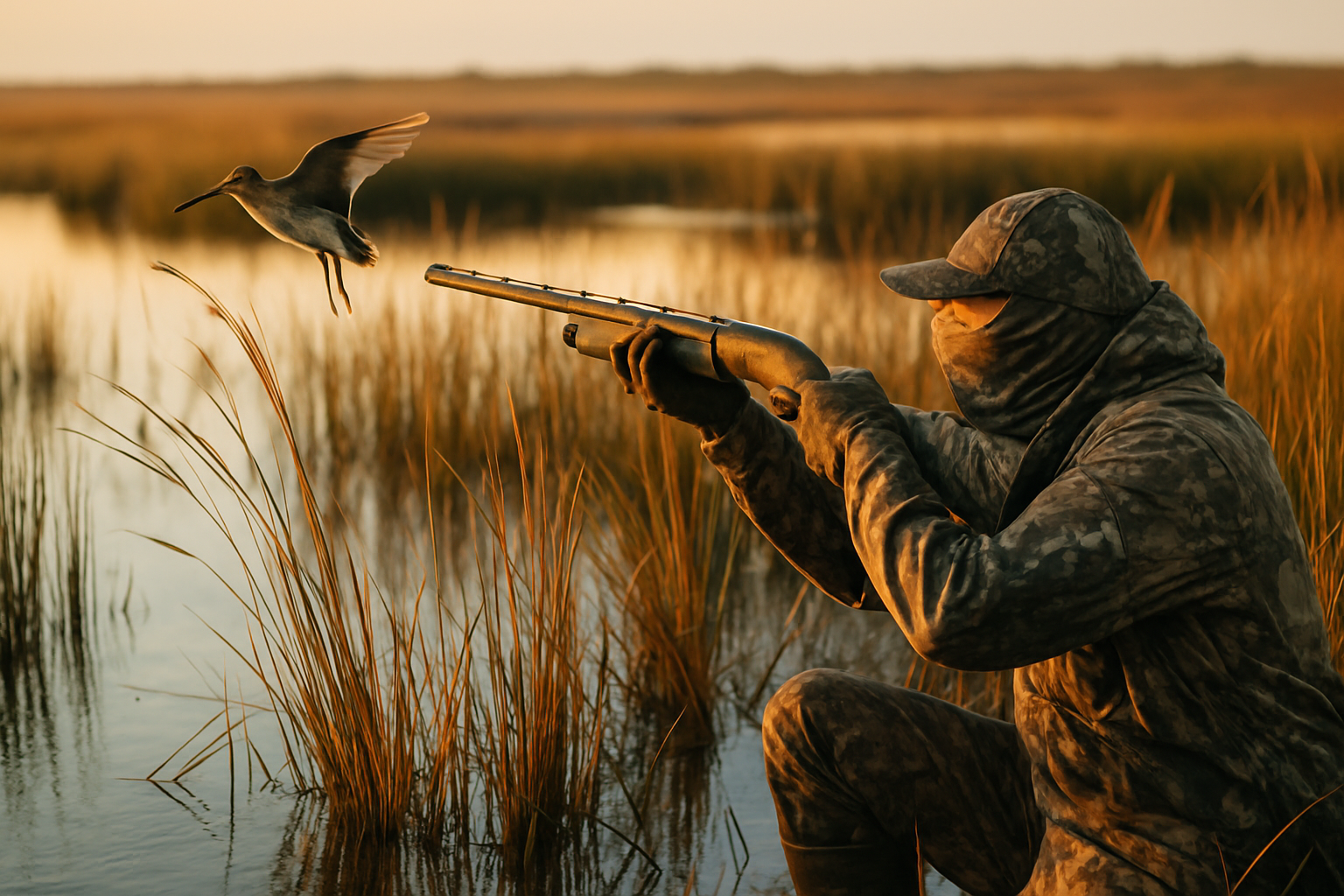
A hunter clad in camouflage moving cautiously through Texas wetlands, ready for a snipe hunt at sunset.
Snipe hunting comes with its fair share of challenges like the bird's lightning-fast zig-zag flight, thick vegetation that seems to spring up everywhere and weather that can turn on you out of the blue. Trudging through marshy soggy ground isn’t just tough on the legs—it can be downright risky.
Snipe hunting in Texas holds a special place in local culture. It’s more than just a pastime; it’s a time-honored excuse for individuals to gather and swap stories. They bond and pass down a knack for the outdoors from one generation to the next.
"I remember my very first snipe hunt with my dad like it was yesterday. It wasn’t so much about bagging the elusive bird as it was about learning patience and developing a real respect for nature—something that can’t be rushed. That tradition has a funny way of sticking with us and still brings us together every season," recalls longtime Texas hunter Jim Hobbs.
If you are new to snipe hunting, it’s wise to start by getting cozy with the local hunting rules and safety guidelines—nobody wants their first outing to go sideways. Signing up with clubs for snipe hunting in Texas or attending a workshop can really give you some hands-on experience that books just can’t match.

Beatrice bridges the gap between human behavior and sustainability through compelling narratives that inspire action.
Read ArticlesPolyester socks offer durability and moisture management but come with comfort trade-offs. Discover...

Want to take your weaving skills beyond the basics? Learn which advanced tools can boost your creati...

Wondering if Belize City is worth visiting? Explore its rich history, vibrant culture, stunning natu...

Explore Reykjavik like a local with this complete guide to free and affordable activities. From icon...